Master Pasta Dough
This is my master dough recipe, and I believe it will become your favourite fresh egg pasta dough recipe once you try it. Texturally, it’s leathery, non-sticky, and rolls so beautifully for every egg pasta shape, whether you’re making tagliatelle or farfalle!
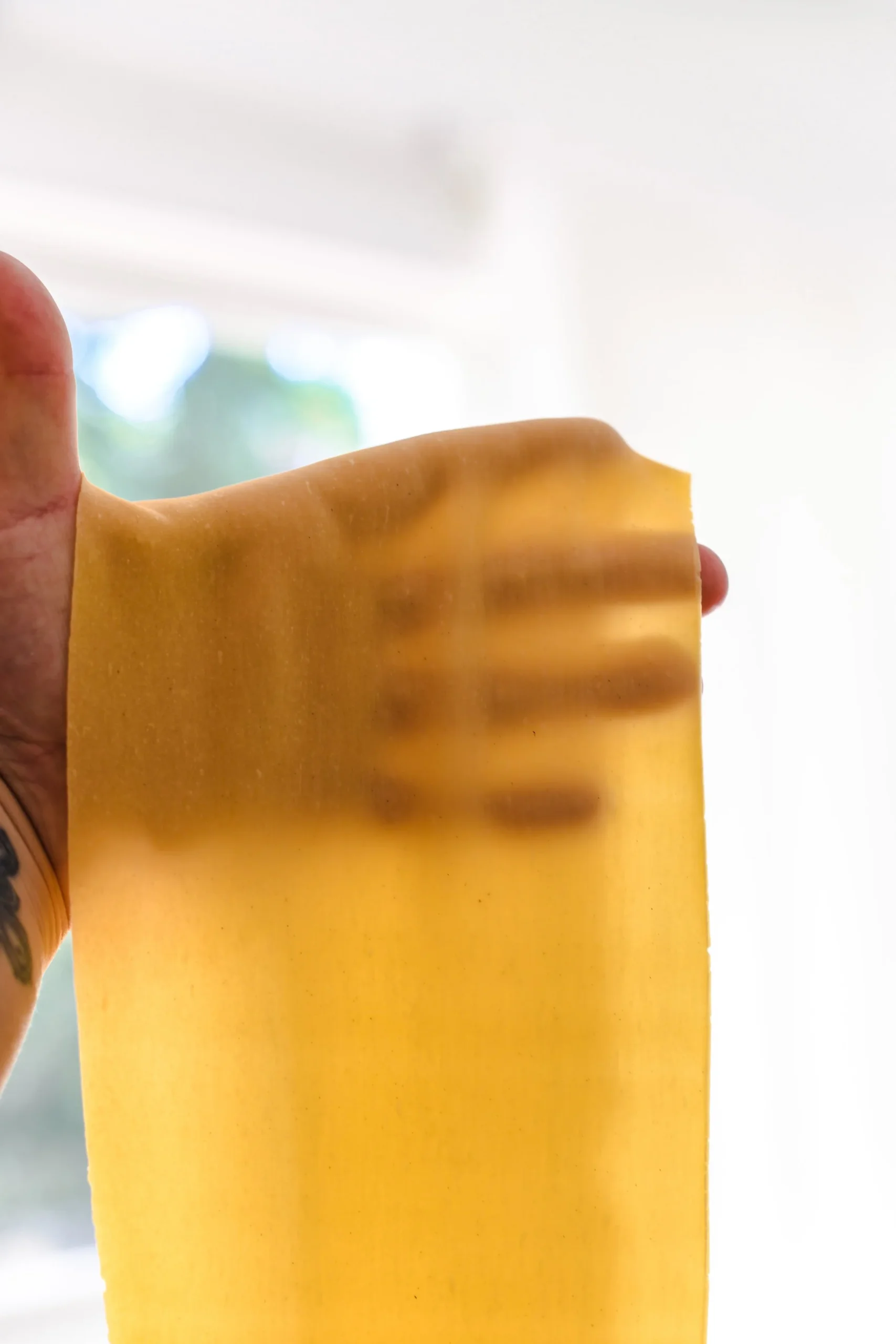
Great pasta starts with great dough; it’s as simple as that. I have spent years testing different ratios and combinations and have firmly landed on this recipe as my master dough. It is worth noting that this dough uses a fair amount of egg yolks compared to most pasta dough recipes you’ll find these days. Because of that, it results in the most fantastic texture. It’s leathery, non-sticky, rolls beautifully, and is deep in colour (if you’re using high-quality eggs).
I use this dough for almost all pasta shapes these days; long shapes like spaghetti, tagliatelle and pappardelle. Short, hand-rolled shapes like garganelli, barchette, farfalle. And of course this works well for all filled pastas, too.
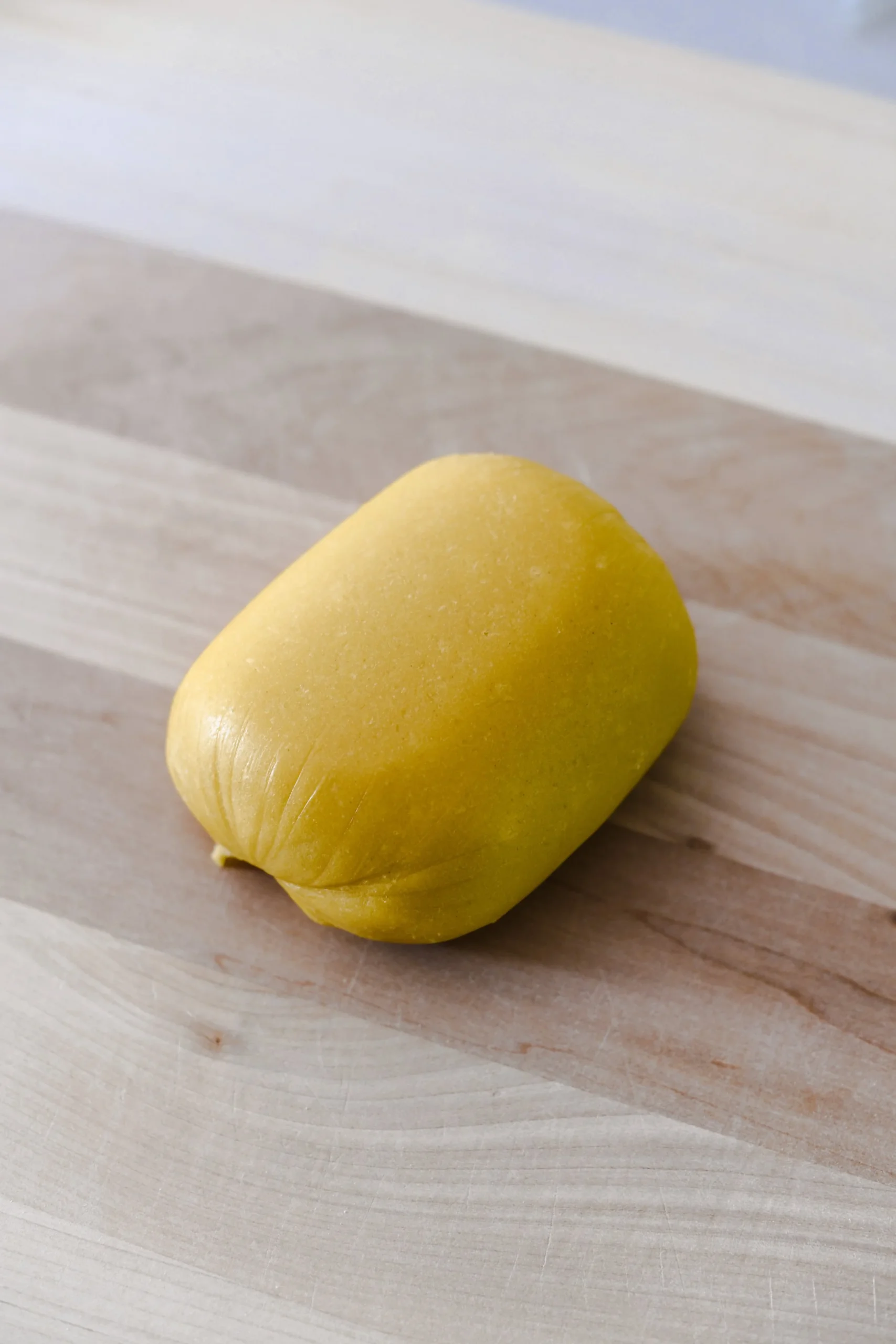
Why You’ll Love This Master Fresh Egg Pasta Dough Recipe
- Rich in egg yolks – The high egg yolk ratio provides a luxurious texture that’s silky on the palate and rich in taste. Not to mention that golden yellow hue.
- Non-sticky texture – This dough is designed to be smooth and leather-like, making it incredibly easy to roll through a pasta machine without sticking.
- Works for all egg pasta dough shapes – I call this my master dough recipe for a reason. You can use it for any sort of egg pasta shape, from tagliatelle and pappardelle to lasagne sheets, hand-rolled short shapes like garganelli and even stuffed pasta.
No pasta machine? No problem.
This dough rolls through a machine well, but it’s just as capable of being rolled thin by hand with a rolling pin. It’ll just take a bit more elbow grease and patience to get it down to the right thickness.
If you want to go one step further by hand, my guide to making pasta ruvida uses this exact dough for a beautifully textured, rustic finish.
Ingredients You’ll Need
Egg yolks (85g) – The secret to my master dough. The extra fat from the yolks enriches the dough, creating a velvety, non-sticky texture and that beautiful vibrant yellow hue.
Tipo 00 Flour (360g) – This finely ground Italian soft wheat flour is the gold standard for pasta making. It creates an incredibly smooth dough with just the right amount of chew, ensuring your pasta doesn’t turn out dense or grainy. While many recipes call for a blend of tipo 00 with semolina rimacinata, I prefer to use solely tipo 00 for the silkiest mouthfeel and texture.
Whole eggs (135g) – Provides the liquid hydration and structure necessary to bind the flour together.
How to Make Fresh Egg Pasta Dough (Step-by-Step!)
1. Build the Flour Well
Tip your Tipo 00 flour onto a clean, spacious work surface (a wooden board is ideal for pasta making). Form the flour into a neat mound and use the bottom of a bowl or your fingers to create a wide, deep well in the centre.
2. Whisk the Eggs
Carefully pour your whole eggs and extra egg yolks directly into the centre of the well. Using a fork, slowly begin to whisk the eggs together until the yolks and whites are completely combined and homogeneous.
3. Begin to Incorporate the Flour
Gradually start pulling in a small amount of flour from the inner walls of the well as you whisk. Continue whisking vigorously, being careful not to break the outer walls, until the mixture in the middle thickens to a smooth, custard-like consistency.
4. Cut the Flour into the Eggs
Switch to a metal bench scraper. Starting from the edge closest to you, scoop up the dry flour from the outer edge and flip it right over the wet centre. Use a chopping motion with the bench scraper to cut the flour into the egg mixture. Repeat this motion, moving around all sides of the mound, until the liquid is entirely absorbed and you’re left with a shaggy, crumb-like consistency.
5. Form a Ball
Once the mixture resembles a shaggy, uneven dough, drop the scraper and use your hands to press the pieces firmly together into a solid ball. It might feel slightly dry or crumbly at first, but persevere until all of the flour is incorporated and a ball begins to take shape – then it’s time to start kneading.
6. The First Knead and Short Rest (5 minutes)
Knead the dough by hand firmly for 5 minutes. Push the dough down and away from you using the heel of your hand, fold it back over itself, rotate it 90 degrees, and repeat. After 5 minutes, wrap the dough tightly in clingfilm or place it under a bowl and let it rest for 5 to 10 minutes. This quick pause allows the flour to rehydrate and the gluten network to relax.
7. Final Knead (5-7 minutes)
Return to the rested dough and continue kneading for another 5 to 7 minutes. The dough should instantly feel more hydrated and easier to work with. Keep kneading until you have a smooth ball of dough that feels elastic, not sticky at all, and springs back slowly when gently poked with a finger.
8. The Rest
Wrap the dough tightly in clingfilm or an airtight container and leave it to rest and relax at room temperature for a minimum of 30 minutes. If you need to prepare your dough further in advance, you can leave it to rest in the fridge for a few hours; just make sure you bring it to room temperature before rolling.
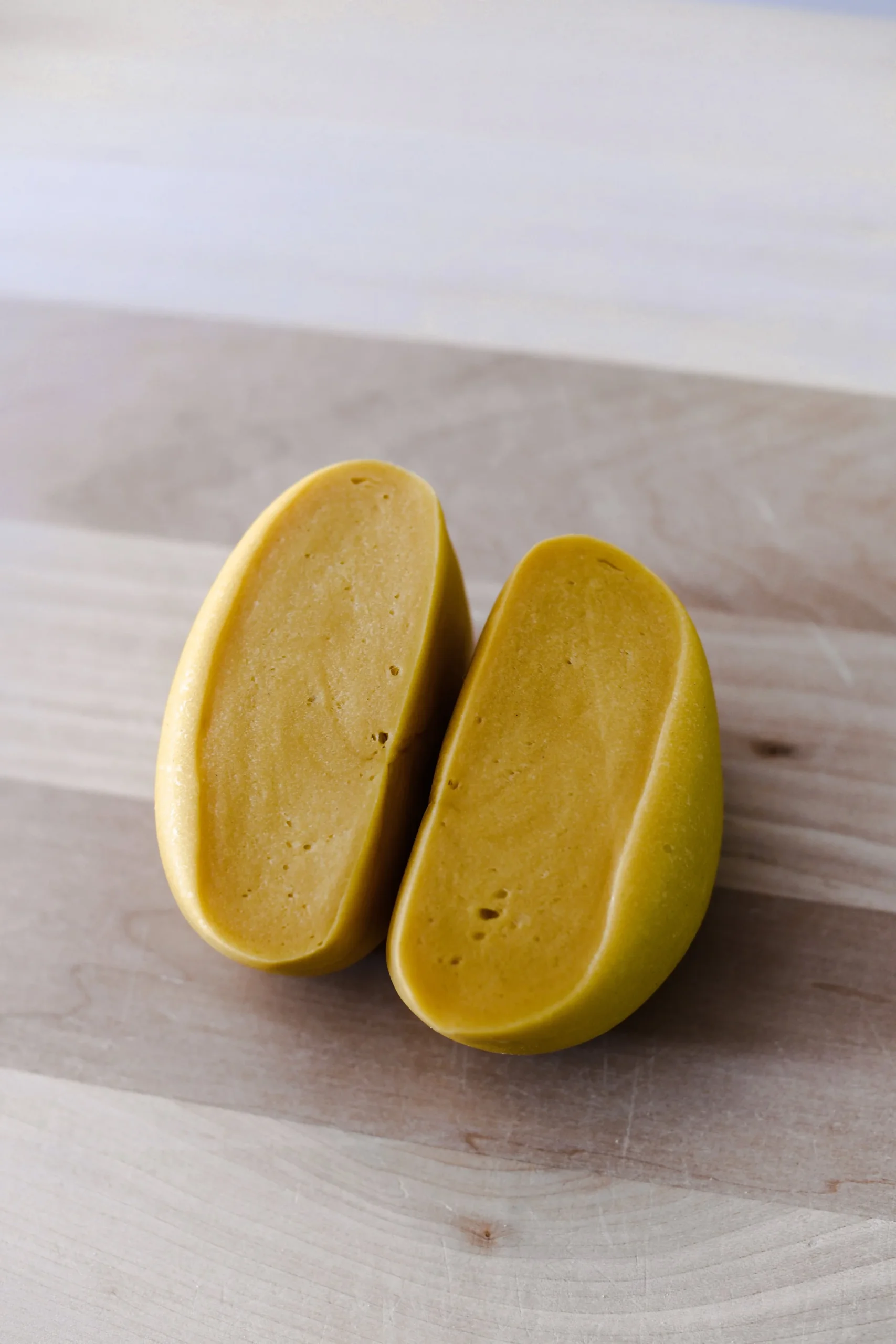
Tips and Troubleshooting
- Adjust for dry dough. Depending on your location and the humidity of your kitchen, your dough may occasionally feel a little too crumbly during the initial knead. If the dough is feeling incredibly dry and unruly, my favourite way to fix this without making the dough overly hydrated is to wet both of my hands under a running tap and immediately return to kneading the dough without drying them first.
- Fix overly hydrated (sticky) dough. If your dough is feeling on the sticky side, very lightly dust your workspace with a pinch of Tipo 00 flour and knead the dough directly over it, incorporating just a tiny fraction of flour at a time until the texture corrects.
- Never skip the rest. This is a crucial step when making pasta. Resting your dough allows the liquid to be fully absorbed by the flour, and this allows the gluten strands present in the dough to completely relax. Skipping this step will result in a rubbery dough that snaps back when you try to roll or shape it.
If you’re looking for more tips and tricks, check out my complete guide to pasta, ‘Pasta, from scratch’.
Ways to Use Egg Pasta Dough
This is genuinely the dough I reach for no matter what shape I’m making, long, short, or filled. A few ways I put it to use include:
- Pappardelle: Wide, silky ribbons, perfect for a rich, slow-cooked ragù like my pappardelle with ossobuco gremolata
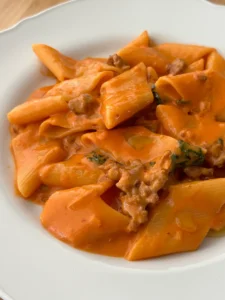
- Garganelli: A hand-rolled short shape with ridges that grip onto sauce, like in my garganelli with spicy sausage ragù
- Ravioli and other filled pasta: The dough’s non-sticky, leathery texture makes it especially good for sealing without tearing, whether that’s my cacio e pepe ravioli or burrata and pesto ravioli with beurre monté
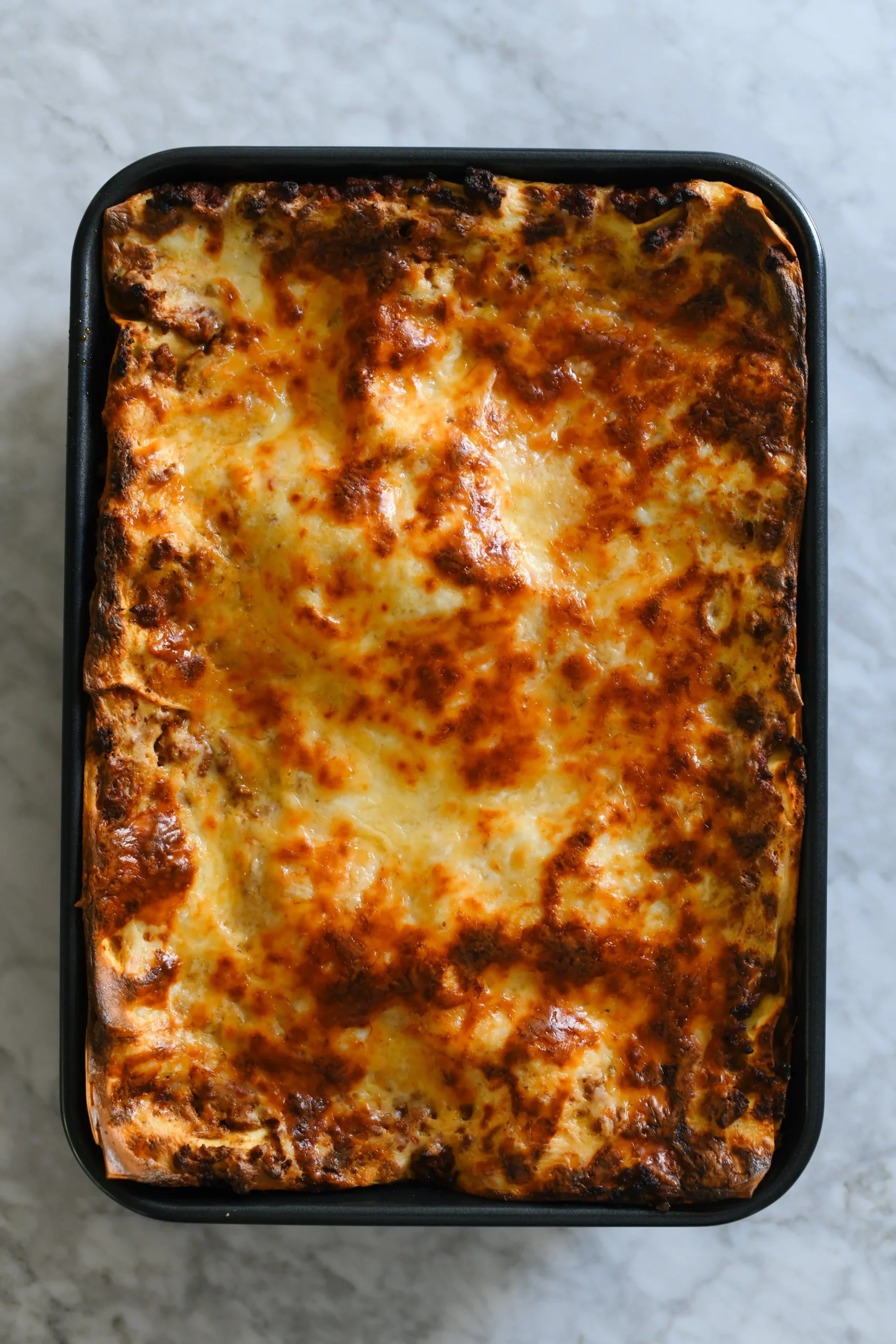
- Tagliatelle, spaghetti, and lasagne sheets: The everyday long shapes and layered bakes this dough was built for, like my brown butter pomodoro with olive gremolata, which I think is especially good with tagliatelle
FAQs
Can I use standard plain flour instead of Tipo 00?
While Tipo 00 flour will yield the best result, you can also use plain, all-purpose flour. Just be mindful of how the different flours behave with regard to how much water they absorb. You may need to supplement the dough with a bit of extra water if it feels too dry.
Why does this recipe measure eggs in grams?
Egg sizes vary drastically. Check out my video comparing egg sizes for a quick breakdown on this topic! Weighing the eggs allows you to understand and control the hydration of your dough, which will give you the best possible result.
How far in advance can I make this fresh egg pasta dough recipe?
You can easily make your pasta dough up to 24 hours in advance. Once the final kneading is complete, wrap the dough ball tightly in clingfilm to prevent it from drying out, and store it in the fridge.
Because the cold environment will stiffen the fats in the egg yolks, ensure you take the dough out of the fridge 1 hour before rolling so it returns to room temperature and regains its pliability.
Also, it’s worth noting that egg dough will oxidise over time, and if you leave your dough for a long time, it could turn a slightly greyish green colour. While it’s perfectly safe to eat, it doesn’t look that appetising!
Can I freeze fresh pasta dough?
Yes, pasta dough freezes well. Wrap the ball tightly in clingfilm, then place it in a freezer-safe bag or airtight container, pressing out as much air as possible. It’ll keep for up to 3 months.
Thaw it in the fridge overnight, then bring it to room temperature for about an hour before rolling, exactly as you would with fridge-rested dough. Note that dough frozen and thawed can feel very slightly softer than fresh. A light dusting of flour while kneading it back into shape fixes this.
Can I double this recipe?
Yes, this recipe scales up easily. Just double every ingredient. The one thing to watch is your work surface and bowl size, since a doubled batch is a lot more dough to knead by hand. If that feels unwieldy, it’s easier to make two separate batches rather than one giant one; the dough itself doesn’t suffer either way.
That’s about it for my master fresh egg pasta dough recipe! It’s perfect for pappardelle, garganelli, and ravioli! And works really well for pasta ruvida, which is a sheeting technique that enables you to create more surface texture on your pasta. If you make it, please tag me on Instagram or Pinterest – I love seeing what you make.
Master Pasta Dough
Instructions
- Place the flour in a mound on your work surface and make a well in the centre. Pour the eggs into the well and using a fork, slowly begin to whisk until the yolks and whites have come together.
- Start incorporating a little bit of flour at a time, whisking vigorously until you have a thick custard-like consistency.
- Switch to a bench scraper, starting in front of you scoop up some flour from the outer edge and flip it over the centre. Use a chopping motion to cut the flour into the eggs. Repeat, moving around all sides of the flour.
- Once you have a shaggy dough, use your hands to press into a ball. It might be a bit crumbly at first but keep going, and once you can see and feel a ball form starting to take shape, it’s time to knead.
- After 5 minutes of kneading, cover the dough in something airtight and let it rest for 5-10 minutes. This will allow the dough to rehydrate and the gluten relax.
- Return to the dough and continue kneading for another 5-7 minutes. The dough should be smooth and elastic, and not sticky at all.
- Cover the dough again and let it rest for a minimum of 30 minutes at room temperature before rolling and shaping.
- If you need to leave your dough for longer, rest it in the fridge and bring it to room temperature before rolling and shaping.