
Squid ink pasta dough
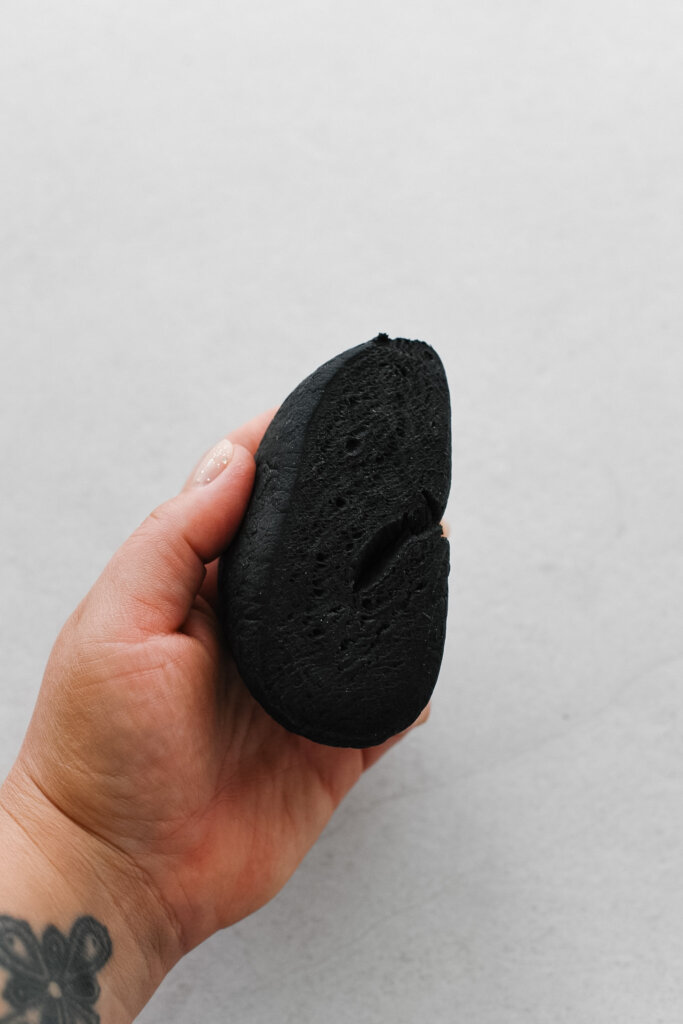
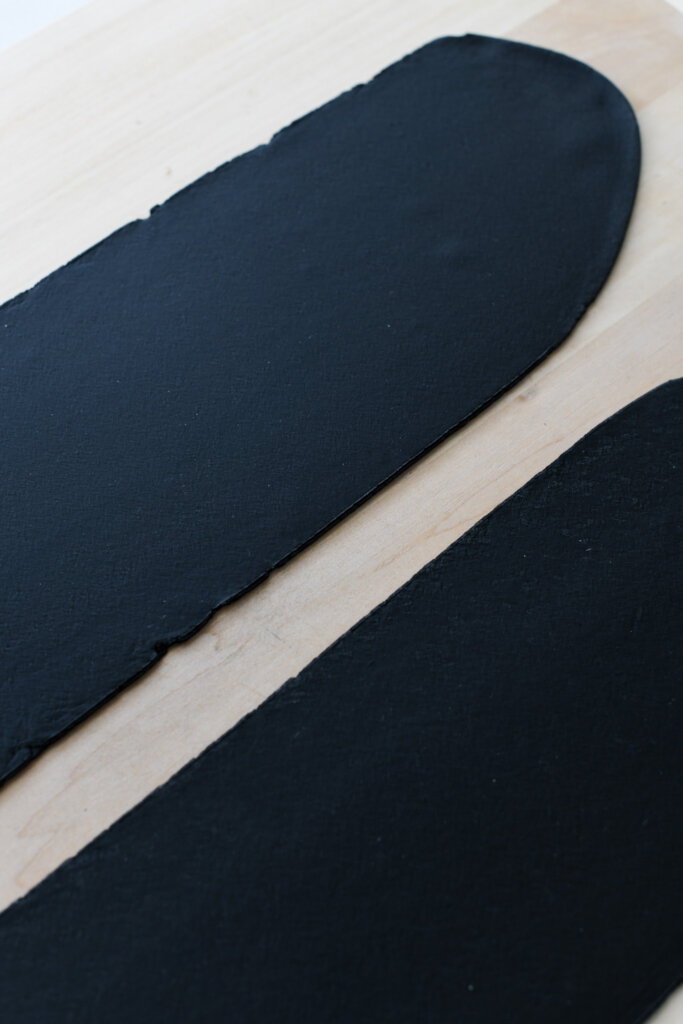
Squid ink dough is something that I think can feel very intimidating. First of all, it isn’t the most common ingredient – while you can purchase it at specialty delis and fishmongers, it’s not something you come across during your every day shop. Secondly, as an ingredient it’s unusual – the texture is thick and sludgy, and of course there’s the worry that it might stain your hands (though you’ll find it won’t).
But should you find yourself in possession of a little pot of squid ink, this fresh pasta recipe will make very good use of it. Often pots of squid ink come in small quantities, around 20g, and so this recipe is designed for use of one of those – enough for 2 people.
This most common question I’ve been asked when sharing this pasta dough is “what does it taste like”. While the squid ink most noticeably imparts its jet black colour on the dough, it does also add a wonderful perfume and mild flavour that’s what I would describe as oceanic – it’s salty, and more seafood-like than fishy. Works wonderfully with light pasta sauces, like this one.
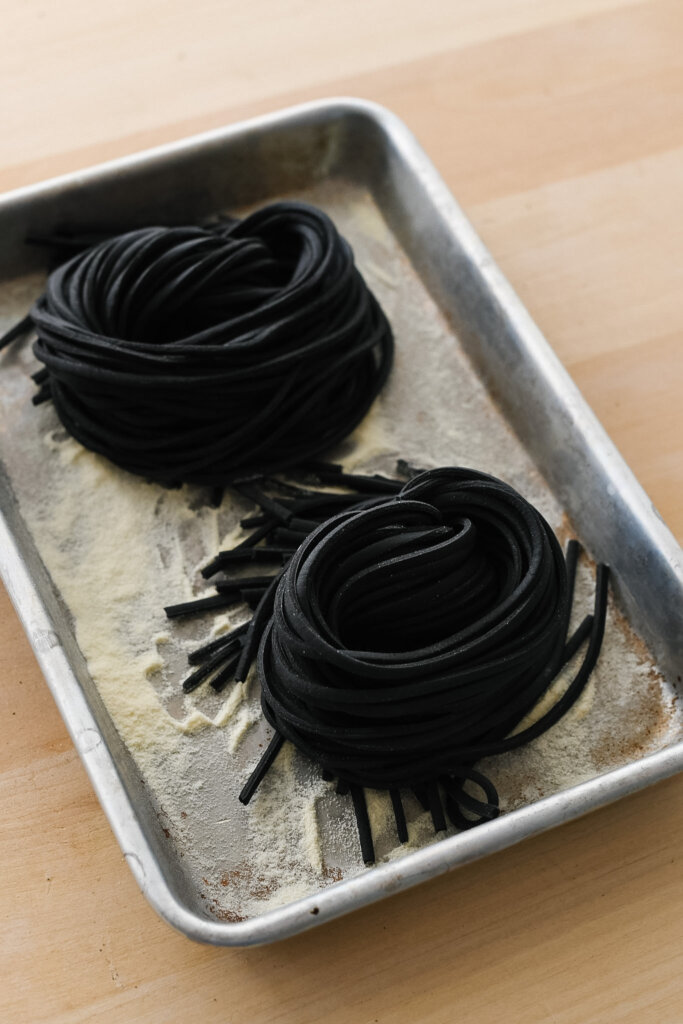
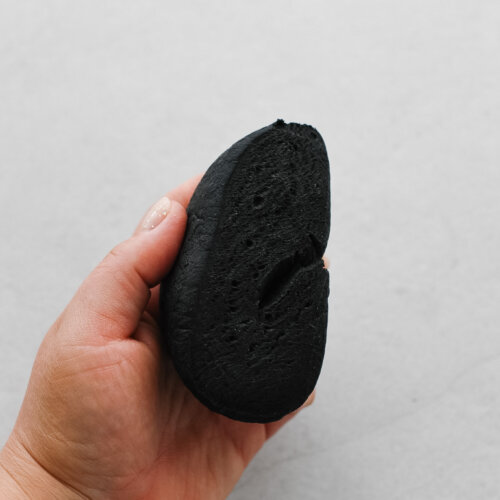
Squid ink pasta dough
Ingredients
- 250 g soft wheat flour tipo 00
- 2 large eggs approx 55g each (aiming for roughly 110g egg weight)
- 20 g squid ink
Instructions
- Place the flour in a mound on your work surface and make a well in the centre. Pour the eggs and the squid ink into the well and using a fork, slowly begin to whisk until eggs and squid ink have come together.
- Start incorporating a little bit of flour at a time, whisking vigorously until you have a thick jet black custard-like consistency.
- Switch to a bench scraper, starting in front of you scoop up some flour from the outer edge and flip it over the centre. Use a chopping motion to cut the flour into the egg mix. Repeat, moving around all sides of the flour.
- Once you have a shaggy dough, use your hands to press into a ball. It might be a bit crumbly at first but keep going, and once you can see and feel a ball form starting to take shape, it’s time to knead.
- After 5 minutes of kneading, cover the dough in something airtight and let it rest for 5-10 minutes. This will allow the dough to rehydrate and the gluten relax.
- Return to the dough and continue kneading for another 5-7 minutes. The dough should be smooth and elastic, and not sticky at all.
- Cover the dough again and let it rest for a minimum of 30 minutes at room temperature before rolling and shaping.
- If you need to leave your dough for longer, rest it in the fridge and bring it to room temperature before rolling and shaping.