

Classic Pomodoro Sauce
This classic pomodoro sauce recipe is a simple, gently simmered tomato sauce made with just a handful of ingredients. Silky, sweet, and rich in flavour, it’s a pantry staple every home cook and pasta lover should master. Pomodoro sauce is one of Italy’s most iconic recipes, prized for its simplicity and pure, unfiltered tomato flavour. It’s the perfect base for pasta, pizza, chicken parmesan, or even a dip for good crusty bread. Once you’ve made it from scratch, you’ll wonder why you ever bought a jar.
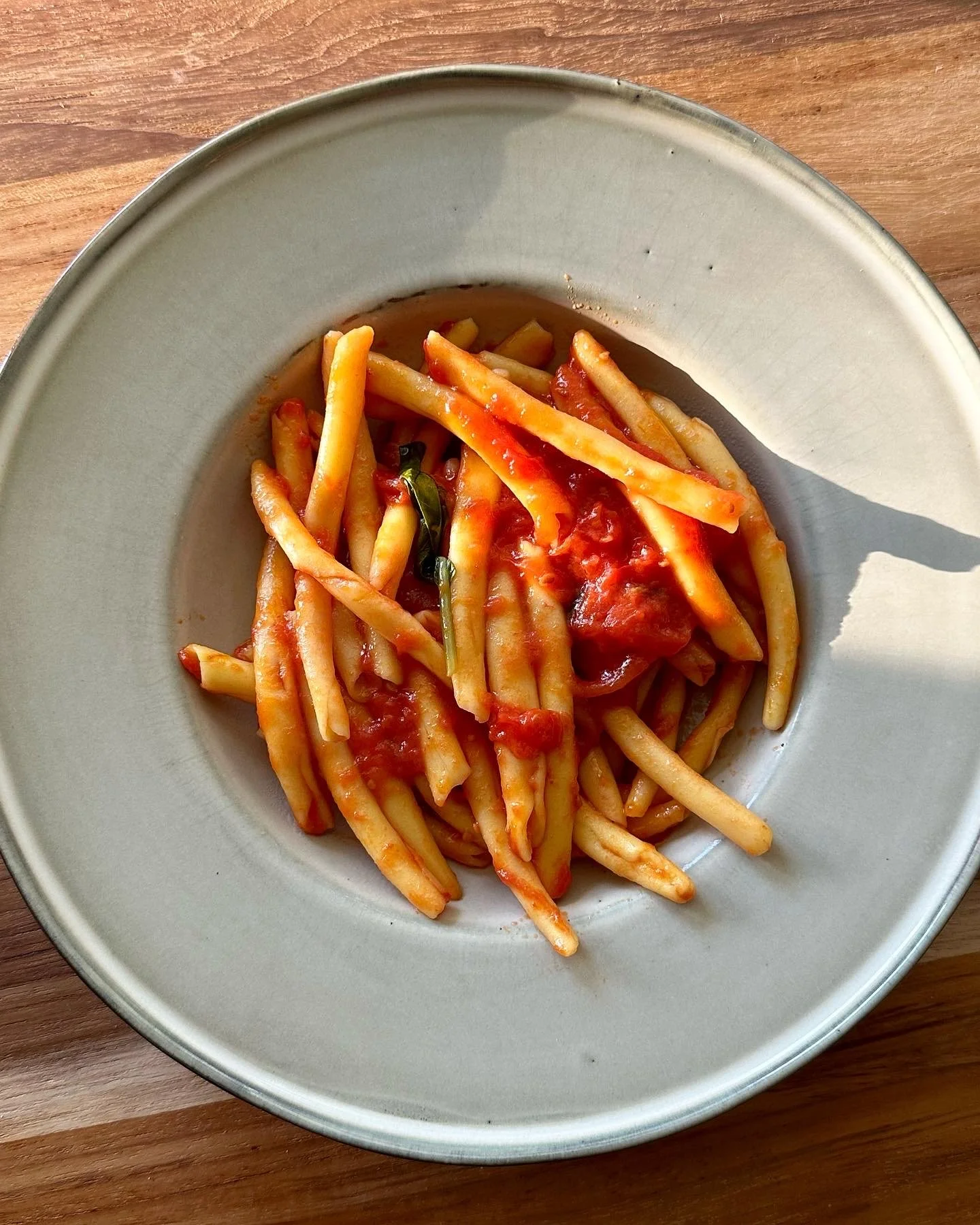
Pomodoro pasta sauce is the most classic of them all, largely associated with Italian cuisine. But did you know that tomatoes didn’t actually arrive in Italy until the mid-1500s? They came from Latin America. Today, there are countless variations of Italy’s most beloved sauce. No matter the variation, they all use high-quality ingredients, especially tomatoes.
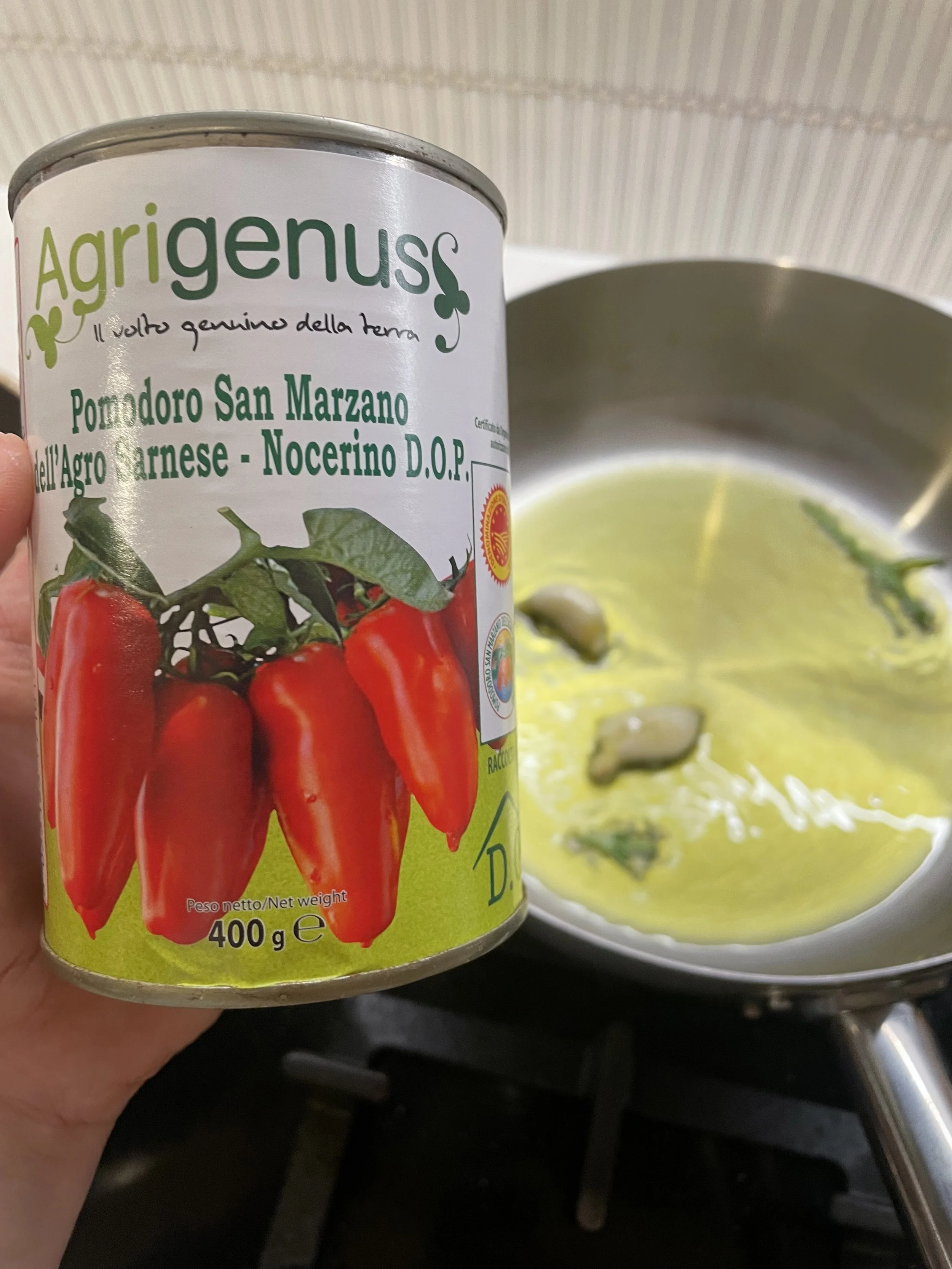
San Marzano tomatoes from Southern Italy are ideal for their sweet flavor and low acidity, and while fresh ones are wonderful, a good tin of whole San Marzanos works beautifully and is what many Italian home cooks reach for, too.
Why You’ll Love This Pomodoro Sauce Recipe
- It’s quick and easy – With just a handful of ingredients and under an hour of cook time, this pomodoro sauce is the perfect recipe for busy weeknights or a quick weekend meal.
- Versatile – Ideal for pairing with your favourite pasta, drizzling over pizza, or even using as a dip for crusty bread.
- Easy to find, simple ingredients – Canned tomatoes make this recipe accessible year-round.
Pomodoro Sauce vs. Marinara Sauce: What’s the Difference?
This is one of the most common questions I get about this recipe, so let’s clear it up. Pomodoro and marinara are cousins, not twins. They’re both Italian tomato sauces, but there are a few key differences:
- Pomodoro sauce is typically smooth and puts the tomato front and centre, with a short list of ingredients like olive oil, garlic, and basil. Like most authentic recipes, my version skips onion entirely and uses a gentle simmer to create a thick, silky sauce.
- Marinara, on the other hand, tends to be chunkier and thinner, often includes onion, and cooks for a much shorter time, so the tomatoes retain more texture and brightness.
If you want something bright and quick for a weeknight, marinara. If you want something rich, glossy, and a little more special, that’s pomodoro.
Ingredients You’ll Need
- Whole peeled tomatoes – I use 800g of canned whole tomatoes, preferably San Marzano. If you’re buying imported San Marzanos, look for the DOP designation on the can, which indicates they’re certified tomatoes grown in the designated region of Italy. That said, don’t feel like you can’t make great pomodoro without them. The most important thing is choosing a good-quality whole peeled tomato you enjoy the flavour of.
- Olive oil – Good-quality, extra virgin olive oil is a must, since it’s doing a lot of the flavour work alongside the tomatoes.
- Garlic – I like to keep the cloves whole and lightly smashed, so I can infuse the oil with their flavour and then remove them before the sauce simmers. This keeps the sauce smooth and stops the garlic from turning bitter or overpowering.
- Fresh basil leaves – Use the stems to flavour the oil while it infuses, then save the leaves to stir through right at the end for a fresh, herbaceous lift.
- Salt (and a pinch of sugar, if needed) – To season and to balance any tartness in your tomatoes.
A note on onion: I don’t use onion in my pomodoro because I want the tomato flavour to stay front and centre. If you prefer the subtle sweetness it adds, finely dice half a small onion and soften it in the olive oil before adding the garlic.
Fresh vs. Canned Tomatoes
I’ve tested this with both fresh and canned tomatoes, and unless tomatoes are at their absolute peak in summer, I actually prefer canned San Marzanos. They give me a more consistent sauce with a naturally sweeter tomato flavour.
- Canned tomatoes: These are my go-to for pomodoro sauce most of the year. They’re consistent, already peeled, and picked and canned at peak ripeness. Look for good-quality whole peeled tomatoes, preferably San Marzano.
- Fresh tomatoes: When tomatoes are at their peak in summer, fresh is absolutely worth it. Roma, plum, or San Marzano tomatoes work best because they’re meatier and contain less water than many slicing varieties.
Tips for Pomodoro Sauce Success
- Don’t rush the garlic. Infusing it gently in the oil (rather than frying it hard) is what keeps this sauce sweet rather than sharp or bitter.
- Taste before you season, and taste again at the end. Tomatoes vary a lot in acidity, even within the same brand from can to can, so don’t skip tasting as you go.
- If your sauce looks thin, simmer it uncovered for the last 5-10 minutes to let some of the liquid evaporate off. If it looks too thick, a splash of the pasta cooking water at the end will loosen it right up and help it cling to the noodles.
- Save your pasta water. If you’re finishing pasta in this sauce (which I highly recommend), a ladle of starchy pasta water helps everything emulsify into a glossy, cohesive sauce rather than sitting separately on the plate.
- Create an ultra-smooth, restaurant-style texture. Once the sauce has finished simmering, you can blitz it briefly with an immersion blender or pass it through a food mill. I don’t always bother. I like a slightly rustic texture where the tomatoes have broken down naturally, but it’s a nice option if you want a glossy, completely smooth finish.
Ways to Serve Pomodoro Sauce
This classic Italian sauce is a genuine workhorse in my kitchen. A few of my favourite ways to use it:
- Tossed through spaghetti for a classic spaghetti al pomodoro or pasta al pomodoro
- As the tomato base for meatballs in sauce
- Spooned over ricotta gnocchi instead of a heavier sauce
- Under a layer of melted mozzarella for a simple chicken or eggplant parmesan
- As a pizza base sauce with my easy overnight pizza dough for a full homemade pizza night.
- Warmed and served with crusty bread for dipping
- Spooned over grilled fish, chicken, or prawns for an easy weeknight main
If you’re after something with a bit more richness and complexity, my brown butter pomodoro with olive gremolata builds on this same base sauce with a few extra flourishes.
How to Store
- Fridge: Store leftovers in an airtight container in the fridge for up to 5 days. I find it tastes even better after a day or two in the fridge!
- Freezing: This sauce freezes wonderfully. Allow it to cool completely, then transfer it to freezer-safe containers or bags, laying bags flat to save space. It will keep in the freezer for up to 3 months. Defrost in the fridge overnight before reheating gently on the stove.
FAQs
Why is my pomodoro sauce bitter or acidic?
This is almost always down to either browning the garlic (it turns bitter fast) or naturally tart tomatoes. A small pinch of sugar at the end will balance acidity without making the sauce taste sweet.
What does pomodoro mean?
Pomodoro simply means “tomato” in Italian, which is fitting because tomatoes are the star of this sauce. Sugo al pomodoro translates roughly to tomato sauce, while pasta al pomodoro refers to pasta served with tomato sauce.
How do I make a rich pomodoro sauce?
A few tweaks will take this from a simple weeknight sauce to something more special. Stir in a knob of butter at the end for a rounder, silkier finish. Or, add a splash of good white wine just after the garlic infuses (cooked off for a minute before the tomatoes go in) for extra depth.
You can also let the sauce simmer longer and uncovered than the base method calls for, which concentrates the tomato flavour further. For an even richer version with more complexity, try my brown butter pomodoro with olive gremolata, which builds on this same base with browned butter and a briny olive topping.
I hope you love this classic tomato sauce as much as I do! If you make it, please tag me on Instagram or Pinterest – I love seeing what you’ve made!
Classic Pomodoro Sauce
Ingredients
- 4-5 tablespoons of good quality extra virgin olive oil
- 2-3 garlic cloves whole and lightly smashed
- A couple of sprigs of fresh basil leaves removed, stalks reserved
- 2 x 400g cans whole and peeled San Marzano tomatoes
- Salt to taste
Instructions
- Heat the olive oil and throw in the garlic cloves and the basil stalks (because why waste them?) – gently allow them to infuse the oil.
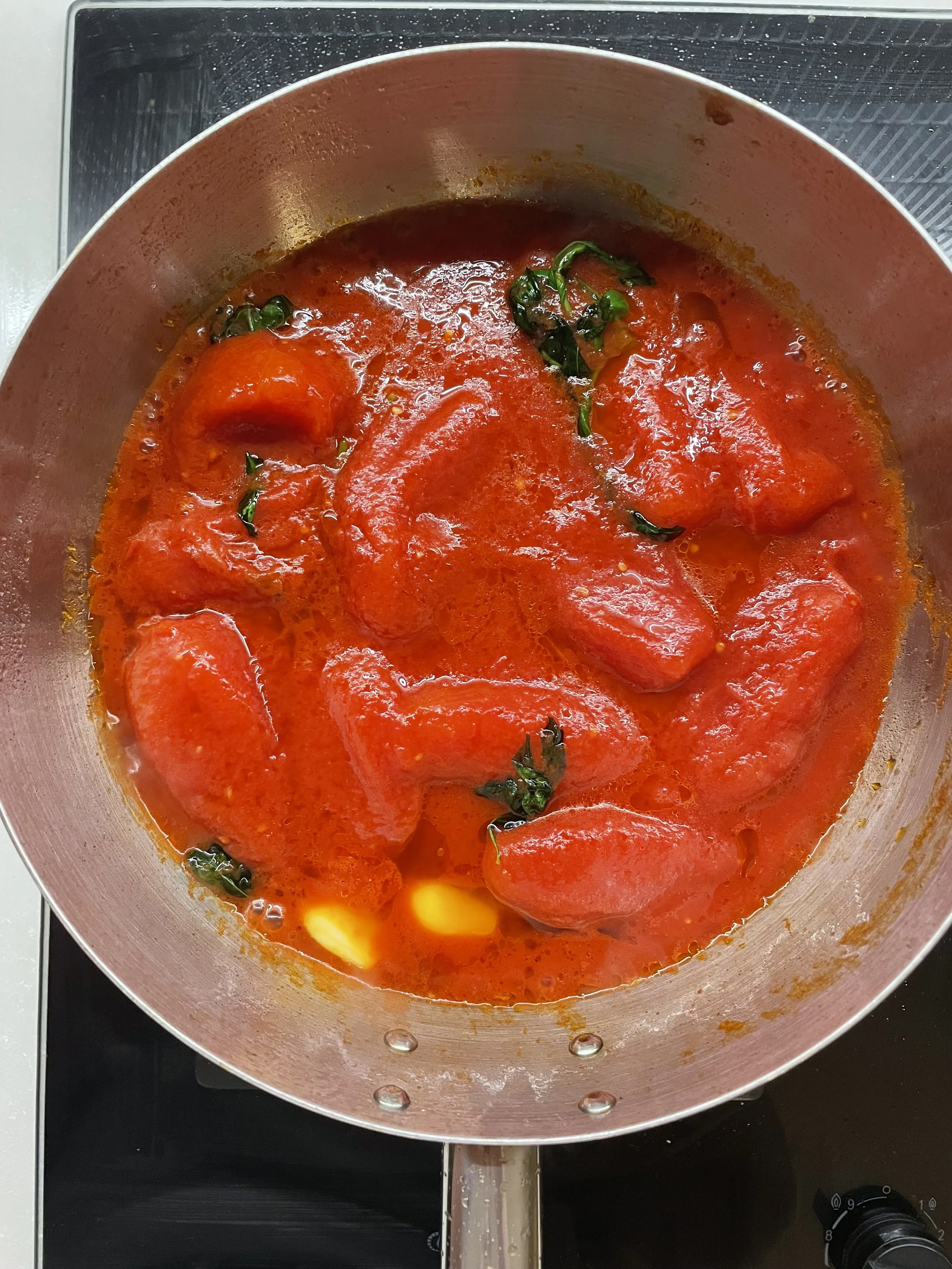
- Once fragrant, remove both the garlic and basil stalks and discard, then add the San Marzano tomatoes – being careful as they’ll splutter aggressively once they make contact with the hot oil. Reduce to a gentle simmer and cover partially.
- When the tomatoes have fallen in on themselves (about 40 minutes), cook your pasta until very al dente. While that’s cooking, season the sauce to taste with salt. If your tomatoes are tart, you can also add a sprinkle of sugar to help balance.
- Add whole basil leaves to the sauce and let both their scent and flavour gently perfume the tomatoes.
- Add your al dente pasta to the sauce and let it continue to cook until just perfect. Stir and toss for the perfect marriage between sauce and pasta. And that’s it.


