
Brown butter cacio e pepe
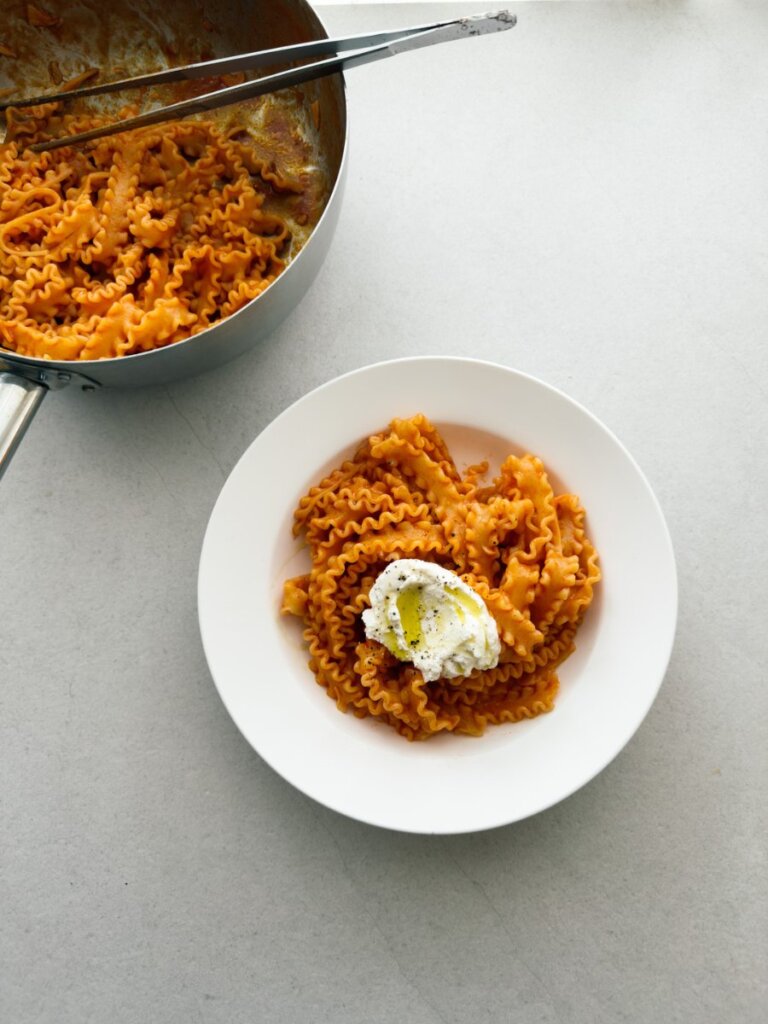
This cacio e pepe recipe is criminally saucy, ridiculously creamy, and admittedly not quite traditional. My version adds brown butter to the classic combination of Pecorino Romano and black pepper, helping everything emulsify into a glossy sauce while adding the most incredible nutty flavour.

Traditional cacio e pepe famously relies on little more than pasta, Pecorino Romano, black pepper, and pasta water. It sounds simple, but it can actually be one of the trickier pasta sauces to nail. The cheese can clump, the sauce can split, and suddenly your beautifully grated Pecorino is stuck to the bottom of the pan instead of coating your pasta. Enter: butter!
Butter gives us a little extra insurance when creating that creamy emulsion. And because I can’t leave well enough alone, I take things one step further and brown it first. Is it traditional? Absolutely not. Is it delicious? Absolutely YES. And if you like my slightly non-traditional takes on the classic, try my cacio e pepe ravioli next.


What is Cacio e Pepe?
Cacio e pepe is one of the classic Roman pasta dishes, alongside carbonara, Amatriciana, and pasta alla gricia. The name quite literally translates to cheese and pepper, which gives you a pretty good idea of what you’re working with!
Traditionally, Pecorino Romano, freshly ground black pepper, and starchy pasta water are worked together to create a creamy sauce that coats the pasta without using cream. It’s an incredible example of how just a few ingredients can become something much greater than the sum of their parts. I love the combination so much that I’ve even turned it into a cacio e pepe risotto.
It’s also deceptively tricky. Getting Pecorino to emulsify smoothly with pasta water requires a little technique and temperature control. Too much heat and the cheese can seize into stringy clumps rather than melting into a glossy sauce.
My version isn’t traditional because I introduce butter into the mix, but it makes the whole process a little more forgiving while also making the finished pasta wonderfully rich.

Why You’ll Love This Recipe
- Incredibly creamy without cream: Pecorino, butter, and starchy pasta water emulsify into a smooth, glossy sauce.
- Brown butter makes everything better: Brown butter isn’t just for treats like my brown butter banana bread! It adds this gorgeous toasted, nutty flavour that works SO well with sharp Pecorino and black pepper.
- Only three sauce ingredients: All you need is butter, Pecorino Romano, and black pepper, plus your pasta and its cooking water.
- A little more forgiving: Butter helps stabilise the emulsion, making this version less prone to the dreaded clumpy cacio e pepe.
- Ultra-saucy: This recipe was developed to be generously sauced because that’s exactly how I like it.
Ingredients and Notes
With such a short ingredient list, there really is nowhere for mediocre ingredients to hide!
- Pecorino Romano – This is our cacio. Use a good-quality Pecorino Romano and grate it as finely as physically possible. The finer the cheese, the easier it is to incorporate smoothly into the sauce.
- Black peppercorns – Freshly ground pepper makes an enormous difference here. I toast whole peppercorns first to bring out their fragrance before coarsely grinding them with a mortar and pestle.
- Unsalted butter – I brown the butter rather than simply melting it, which gives the finished sauce a deeper, nutty flavour. Using unsalted butter also gives you more control over seasoning because Pecorino is already plenty salty.
- Pasta – Cacio e pepe is traditionally associated with long pasta shapes, and spaghetti or tonnarelli are both excellent choices. My original recipe pairs this sauce with homemade pici, and I love the combination. Those thick, chewy strands hold their own against the rich sauce beautifully.
- Pasta water – Not technically an ingredient you’ll need to buy, but absolutely essential! The starch in the cooking water helps the butter, cheese, and water emulsify into a creamy sauce.

How to Make Brown Butter Cacio e Pepe
- Toast the pepper. Add the whole black peppercorns to a dry pan over low-medium heat and gently toast until fragrant.
- Grind. Transfer the toasted peppercorns to a mortar and pestle and grind them coarsely.
- Brown the butter. Add the butter to a pan and cook until browned, swirling frequently to prevent the milk solids from burning. It will splutter and foam before turning golden and developing a wonderfully nutty aroma.
- Bloom the pepper. Once the butter has browned, add about 1 teaspoon of the freshly ground black pepper. Let it cook momentarily in the butter before removing the pan from the heat. This helps enhance the pepper’s flavour.
- Cook the pasta. Bring a large pot of generously salted water to the boil and cook your pasta until al dente. If you’re using my homemade pici, this should take approximately 4-5 minutes depending on how thick you’ve rolled it.
- Add the pasta to the butter. Return the brown butter to low heat and transfer the cooked pasta directly into the pan. Toss thoroughly.
- Start the emulsion. Add a splash of starchy pasta water and toss again to create the base of your sauce.
- Add the Pecorino. Add the finely grated Pecorino Romano a handful at a time, quickly agitating the pan and stirring, whirling, and tossing vigorously as you go.
- Adjust the consistency. Add more pasta water as needed until the sauce is creamy and glossy. If you accidentally add too much water, a little extra finely grated Pecorino can help thicken things back up.
- Serve immediately. Cacio e pepe waits for no one! Get it into bowls while that sauce is glossy and creamy, then finish with extra black pepper and Pecorino if desired.

How to Keep Cacio e Pepe from Clumping
If you’ve ever made cacio e pepe and ended up with a watery pan surrounded by stubborn clumps of cheese, welcome to the club. A few things make a HUGE difference:
- Grate the Pecorino as finely as possible. I cannot stress this enough. Finely grated cheese melts and emulsifies much more readily.
- Don’t blast the cheese with heat. Excessive heat causes the proteins in the cheese to tighten up and clump rather than incorporating smoothly.
- Add the cheese gradually. A handful at a time gives you much more control than dumping it all in at once.
- Keep everything moving. Stir, toss, whirl, agitate. The movement helps the fat, cheese, and pasta water come together.
- Save plenty of pasta water. You’ll almost certainly need to adjust the sauce as you go.
- Use the butter to your advantage. It’s one of the reasons this non-traditional version is a little more forgiving than classic cacio e pepe.


What to Serve with Brown Butter Cacio e Pepe
Cacio e pepe is rich, salty, and peppery, so I generally don’t think it needs much alongside it.
A simple green salad dressed with something bright and acidic makes a great contrast, or add some bread, like my homemade focaccia or easy sourdough, to the table for mopping up any leftover brown butter and Pecorino sauce.
If you’re serving it as a primo as part of a larger Italian-style meal, keep the portions smaller and follow it with a simple protein or vegetable dish. If you’re turning dinner into more of an Italian feast, my cacio e pepe supplì with truffle mayo makes a seriously fun starter. It carries the same Pecorino and black pepper flavours into crispy, mozzarella-filled rice balls.

Storage and Reheating
This is one recipe I REALLY recommend eating immediately. The creamy texture comes from an emulsion of cheese, butter, and pasta water, and that emulsion naturally changes as the pasta sits and cools. The sauce thickens, the pasta continues absorbing moisture, and reheating can cause the cheese to separate.
If you do have leftovers, store them in an airtight container in the fridge for up to 3 days, and reheat gently with a splash of water to help loosen the sauce.


Brown butter cacio e pepe
Ingredients
- 200 g pasta of choice
- 1 tbsp black peppercorns
- 100 g unsalted butter
- 150 g Pecorino Romano as finely grated as possible
Instructions
- Bring a large pot of generously salted water to a rolling boil and cook your pasta until al dente.
- Meanwhile, bloom the peppercorns by gently heating then in a dry pan until fragrant – around 2 minutes. Transfer to a mortar and pestle and grind until coarse.
- Heat the butter in a pan to brown. Swirl the pan frequently as the butter melts and splutters. Eventually it'll foam up and you'll notice it starts to smell nutty. Continue whisking to help evenly distribute the milk solids. Once the sputtering sound suddenly comes to a halt, your butter should be nicely browned.
- Add 1 teaspoon of the ground black pepper and allow this to cook momentarily before removing the pan with the butter and pepper from the heat and set aside while your pasta finishes cooking.
- Once the pasta is al dente, put the brown butter back on a low heat and add the pasta directly to it. Toss well and add a splash more pasta water to create a base for the cheese emulsion.
- Remove the pan from the heat again, and add the finely grated Pecorino Romano by the handful and quickly agitate the pan, stirring, whirling and tossing vigorously to create a creamy sauce.
- Serve immediately with an extra crack of black pepper, and enjoy!